- Our fish is green because we mince it with wheatgrass
- All fats oxidise when exposed to air, and omega 3s go first
- It doesn't take a lot of rancid fat to affect your dog
- Vitamin E protects fat - in the food and in your dog
- We add wheatgrass at mincing, to protect the fats when they are most at risk
Why is our fish bright green? Because it contains wheatgrass!
We mince our fish with our organic wheatgrass (and other dry goods like organic kelp) so it's all mixed in together at the time of processing.
There's an important reason we do this: it's all about protecting the fat from oxidation.
Fats Do Not Like Air
All fats oxidise when they're exposed to air. It doesn't matter if it's raw food, kibble or an omega oil added on top. Exposure to air damages the fat. And because omega 3s are the most fragile (and arguably the most beneficial) fats, they are the first to become unstable.
Kibble is a good example. The fat is sprayed onto the outside after cooking, which is quite stable while the bag is sealed. However once you open the bag it gets exposed to air and starts oxidising. According to canine nutrition guru Steve Brown you get about 2-3 weeks before the entire bag is oxidised (so small bags are much better).
Fish oil is the same: every time the lid comes off the bottle it gets a fresh hit of oxygen, so you need to use the bottle quickly while it's still fresh.
The issue is in fish oil capsules too. In 2015 researchers in New Zealand tested every fish oil capsule on the market and over half were above the recommended limits for oxidation.
Why is this a problem?
Oxygen latches onto weak spots in the fat and makes it unstable. To settle itself, it damages the fat molecule next to it - which then damages the next one. It's like a line of dominoes falling until all the fat is rancid.
Why Rancid Fat Is Bad For Your Dog
Researchers at Purdue University fed puppies diets with different levels of oxidised fat for 16 weeks. The pups on the most oxidised fat grew less, had lower vitamin E levels and slower bone formation, and parts of their immune system were suppressed. What surprised the researchers was that some of these effects showed up at only moderate levels of oxidation.
It doesn't take a lot of rancid fat to make a difference.
Oxidised fat is bad news for a few reasons:
The omega 3s are destroyed
Other vitamins in the food go too (like vitamin A)
Protein gets damaged as well as the fat
By-products form that can damage cells, and some get absorbed into the bloodstream
The gut becomes inflamed (shown in animal studies)
Food starts to smell and taste off
It also drains your dog's own vitamin E. The body uses up its antioxidants cleaning up the damage, and that's vitamin E that should be doing other jobs.
The good news is this is very preventable!
How Vitamin E Protects Fat
An antioxidant is anything that stops oxidation. Simply explained, it gives the unstable fat molecule what it needs to settle so it doesn't damage the one next to it. This stops the chain reaction so it's super important.
Vitamin E is the most important antioxidant for fat. It's fat soluble, and its main job in the body is literally protecting fragile fats like omega 3s.
Keep in mind each vitamin E molecule gets used up doing its job. Once it's used it can't help again on its own. So the amount of vitamin E really matters. If there isn't enough, the fats rapidly become rancid.
How We Protect The Fat In Our Food
We protect the fat in our fish three ways.
1. We Keep Foods Whole
In whole food the fat stays physically protected because it isn't finely minced into a paste or distilled into liquid form. Unlike kibble no fat is sprayed on the outside or poured on top, which keeps a lot of oxygen away.
Mincing is the primary processing we do, so that's the challenge to manage. Fish contains blood, and the haemoglobin in fish blood is one of the main triggers for fat oxidation. Mincing spreads it right through the fish and mixes in air at the same time. This is the most vulnerable moment for the fat.
2. We Add Wheatgrass At Mincing
So that's exactly when the wheatgrass goes in! Wheatgrass contains vitamin E plus a bunch of other plant antioxidants - including vitamin C, which recharges vitamin E so it can keep working.
Because we mince everything together, the antioxidants end up spread right through the fish. They're protecting the fat from the first moment it is exposed to air.
And the science backs this up 🙌
Lab tests have shown wheatgrass extracts slow fat oxidation. Adding plant extracts to mackerel mince kept fat oxidation significantly lower over three months in the freezer. Another study found berry press cakes protected Baltic herring mince as well as or better than conventional antioxidants over ten months.
3. We Keep It Frozen
Cold slows oxidation right down. Our food stays hard frozen all the way to your door. There is no way to completely avoid oxidation, but this thoughtful approach to how we process our food means we can keep it to a minimum.
Protecting The Fat Inside Your Dog
Vitamin E has a second job. Once your dog eats omega 3s they become part of the walls of their cells, where they're just as fragile. Vitamin E protects them inside the body the same way it protects them in the food.
This means the more omega 3s a dog eats, the more vitamin E they need. It's well established in both dogs and cats.
That's why we dose our wheatgrass to match the fat content of each recipe. More fat means more wheatgrass. AAFCO recommends at least 0.6 IU of vitamin E for every gram of polyunsaturated fat in a dog's diet. The NRC recommended allowance for adult dogs is 7.5 mg of vitamin E per 1000 kcal.
It protects the fat in the pack, and it protects the fat in your dog.
We think this is one of the reasons dogs do so well on our food. Protecting the fat from oxidation takes a bit of extra care, but it's worth it.
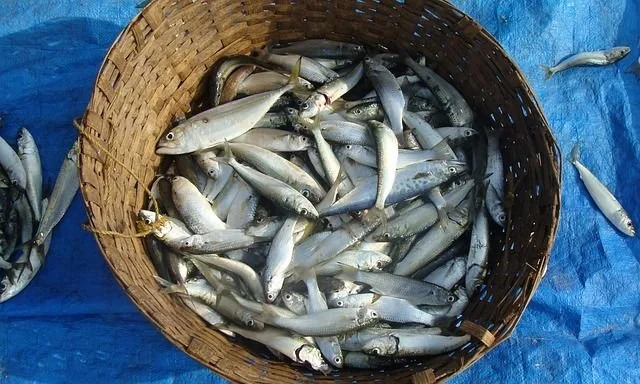
Should You Add Oil On Top?
Our food already contains a good amount of fat, and the recipe fats are carefully balanced. So I wouldn't recommend adding oil on top.
The fish in our food comes with its omega 3s and its protection mixed right in. That's why it's green 🐾