How Diet Shapes The Way Your Dog Ages
The big challenge with preventative health - which is what we do! - is that it's not obvious. Sickness is easy to see, but healthy just looks.. normal?
If your dog is sick, or is scratching heaps, or has unhealthy poos, it's very easy to notice.
And some people decide to do something about it. We get lots of these folks. They change to our food to fix a specific health problem for their dog, and typically we see a massive improvement across the board.
Weirdly, this is the easy bit.
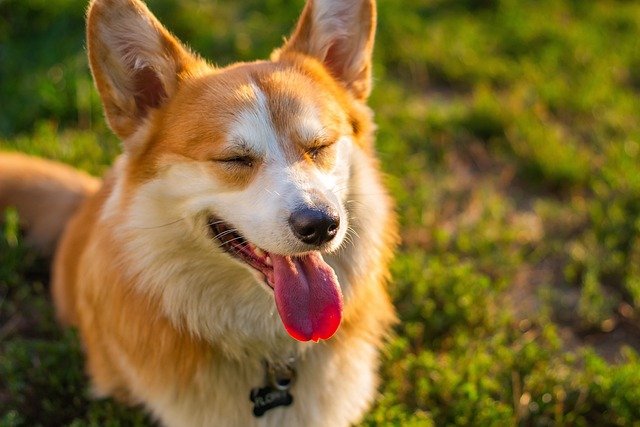
Young Dogs Look Great Eating Anything
The harder bit is when your dog isn't presenting any issues. When the issues are not obviously apparent, it's very easy to think your dog is just healthy.
And most young dogs look the part. They're happy, healthy & shiny, it doesn’t matter much what is in the bowl. Not until much later in life do you see the accumulation of diet manifest in health issues, mental wellbeing and overall body condition.
The thing with preventative medicine and good diet is that when it's all going well, there is nothing to report on. Everything looks great - which is normal.
The clearest example of this is a study that followed 48 Labradors for their whole lives. The dogs were split into pairs, and one dog in each pair was fed 25% less than its partner. The same food, just less of it.
The leaner dogs lived nearly two years longer. The chronic diseases that come with age, like arthritis, turned up later too.
Now obviously that study wasn't about raw vs kibble, it was about portion size. But it shows exactly how diet works and how it effects health later in life.
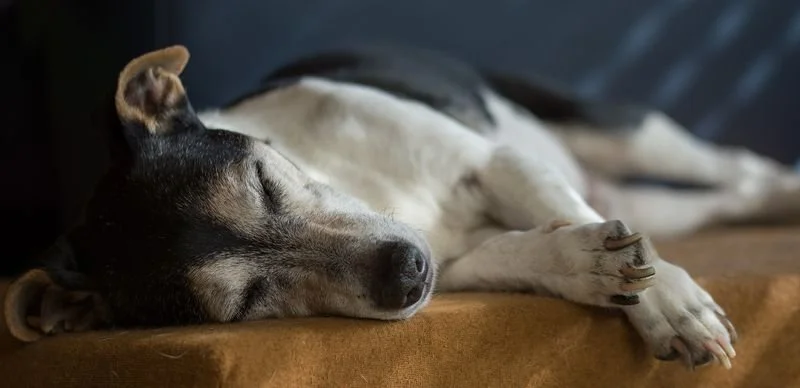
Old Doesn’t Mean Unhealthy
This is actually why I think so many older dogs are in not great condition. A lifetime of processed food or an unbalanced diet really becomes obvious when a dog starts to get a bit older.
Shockingly, I've heard many people say their 6 or 7 year old dog is old.
No they are not! They are barely middle aged!
That's not just me being idealistic. Vet life stage guidelines class dogs as mature adults from around 3 or 4 years old, right up until the last quarter of their expected lifespan. For a dog expected to live to 12, senior doesn't start until 9. Giant breeds are the exception - they age faster, and a 7 year old Great Dane genuinely is getting on.
So if your 7 year old is slowing down or stiff getting up, it's probably not just age. And it's worth asking why if you want to make things better.
Here’s some things to look for:
Coat and skin: Glossy and soft, or dull, flaky or greasy?
Poos: Firm and consistent, or hit and miss?
Breath and teeth: Fresh(ish!), or gross?
Ears: Clean, or smelly and scratched at?
Energy: Keen for a walk, and bounces back quickly after?
Body condition: Ribs easy to feel without pressing, a waist from above, and good muscle over the back and back legs.
And keep up the vet checks even when nothing seems wrong. Once your dog's a mature adult, yearly blood tests are a good idea too. They give you a baseline, so changes show up on paper before they show up in your dog.
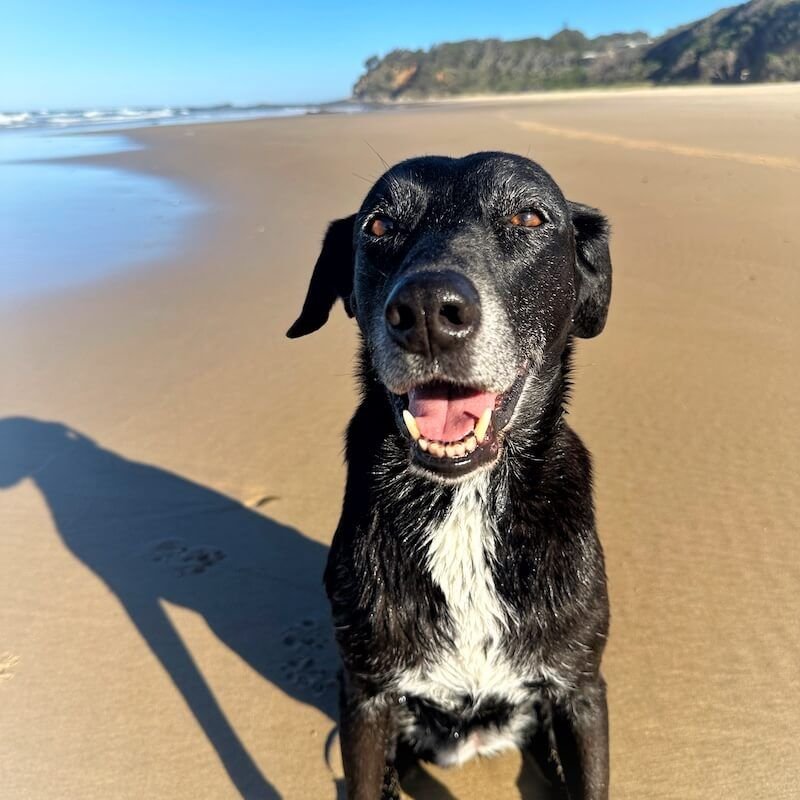
Healthy Senior Dog: Nelly At 14!
The real test is how they look & feel 10+ years down the line.
Nelly is 14 and still gets comments on her coat and energy 🤩
She's a bit slower these days - she IS 14 - but this is what a healthy senior dog looks like.
Dogs can absolutely stay healthy as they get older 🐾