Why Does My Dog Keep Licking Their Paws?
- Paw licking is a symptom. Something is causing it.
- The most common causes are yeast, food allergies, and gut dysbiosis
- Conventional vet treatments manage symptoms but don't fix the underlying cause
- Switching to a low carb whole food diet is the most important step
- Fermented foods and dog-specific probiotics support gut recovery
- In most cases, fixing the diet fixes the paws
One of the most common issues I see is dogs licking their paws. It's often linked with other allergy symptoms like redness, smelly ears, or hot spots. If your dog does this you know it can be quite stressful as they are clearly very uncomfortable 😧
Paw licking is a symptom, not the problem itself. There is an underlying issue causing your dog to lick their paws. The key is to figure out exactly what that is so you can give them some relief.
9 times out of 10 a vet will only treat the licking symptoms instead of addressing the underlying issue. But actually fixing the problem can be a bit more involved than taking a drug or injection every month.
It is significantly better for your dog's wellbeing and long term health to find the reason for the licking and stop it at the source, rather than mask the symptoms.
Luckily, there are lots of things you can do to fix things long term!
In This Article
Is Licking Paws Normal?
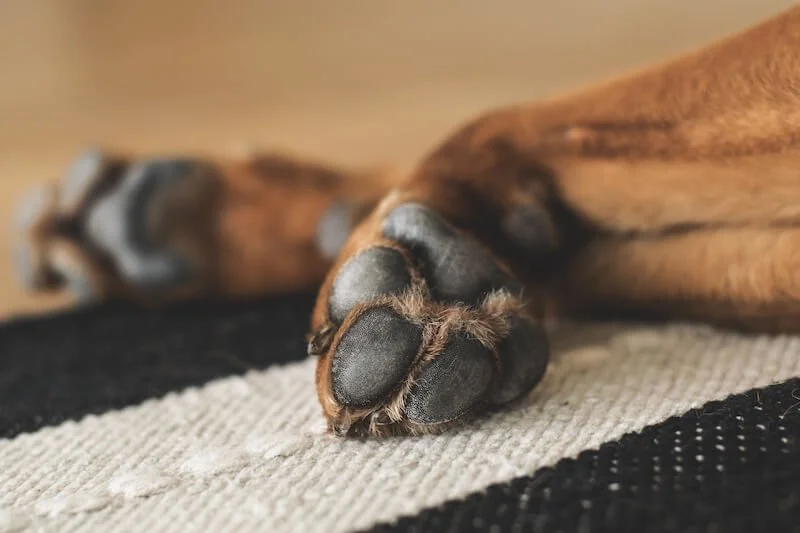
Most dogs groom themselves, and licking paws is a part of that. This is obviously not an issue. What we're talking about here is obsessive licking that goes on and on. Often to the point of causing damage to the skin.
Here are the signs that something is actually wrong:
Redness or inflammation between the toes
Brown or rust-coloured staining on the fur
A "corn chip" or yeasty smell coming from the paws
Your dog immediately resumes licking as soon as you stop them
Broken or raw skin
It's also worth noting whether it's one paw or all four. If your dog is fixated on a single paw, check for a physical cause first. A grass seed, thorn, cracked pad, or insect bite are all common culprits. If it's all four paws, you're almost certainly dealing with a systemic issue, so we'll need to address the underlying cause to fix it.
What's Causing It?
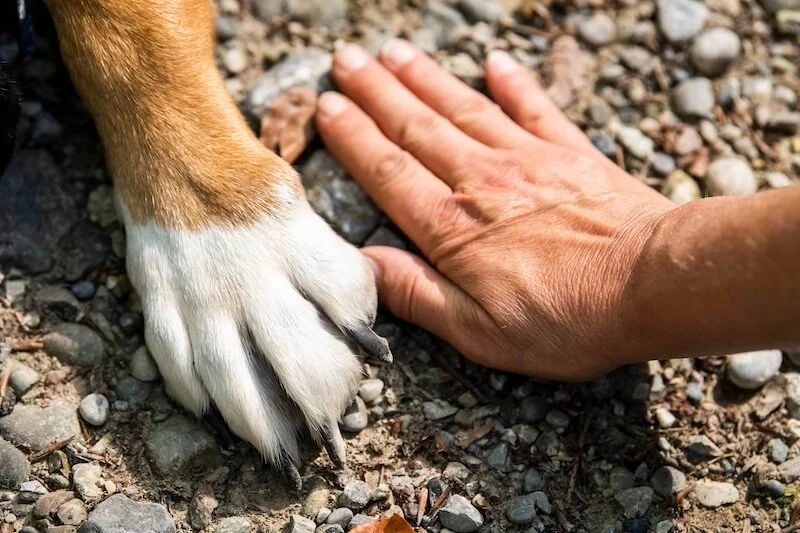
There are quite a few things that can cause paw licking. It helps to think about them in two groups: things coming from inside your dog, and things coming from outside.
From the inside
Food allergy or intolerance. The most common triggers are chicken, beef, dairy, and wheat. Food allergies cause an immune response that often shows up in the skin, ears, and paws.
Yeast overgrowth (Malassezia). The most overlooked cause of paw licking, and in my experience one of the most common. More on this below.
Gut dysbiosis. An imbalanced gut microbiome drives systemic inflammation that frequently shows up on the skin. The gut and the skin are more connected than most people realise.
Nutritional deficiency. Omega-3 deficiency in particular compromises the skin barrier, making it easier for allergens to get in.
From the outside
Grass and contact allergens. Lawn chemicals, fertilisers, and certain grasses are a very common trigger, particularly in Queensland where dogs are outside year round.
Environmental allergens. Pollen, dust mites, and mould can all cause paw licking. Often with a seasonal pattern.
Parasites. Grass mites and fleas are worth ruling out, especially if the licking came on suddenly.
Anxiety or boredom. Behavioural licking tends to be rhythmic and focused on one spot. Worth considering if everything else has been ruled out.
The Conventional Vet Approach
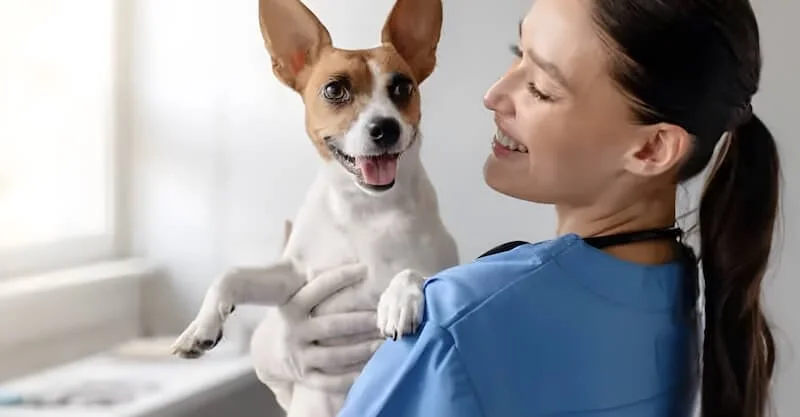
Your vet will most likely work through a standard treatment protocol.
First up is antihistamines. Cheap, low risk, and occasionally helpful for mild cases. But for most dogs with chronic paw licking they don't do enough on their own.
Next is Apoquel, probably the most commonly prescribed allergy medication in dogs right now. It's a JAK inhibitor that blocks the signals triggering the itch response. It works quickly. The catch is that it's an immunosuppressant, so it's not a good idea to use it long term (more than 12 months).
The other option is Cytopoint, an injection given at the vet every four to eight weeks. It targets a specific protein called IL-31 that sends the itching signals to the brain. Unlike Apoquel it doesn't suppress the immune system so is generally considered the safer option of the two.
However, we have no long term data on its safety - and at $150+ per injection every four to eight weeks it is expensive. I would also argue that anything masking symptoms is likely to cause a problem down the line.
For severe acute flares, steroids like prednisone are a fast and powerful option. Not suitable for long term use, but a genuine treatment for acute issues. These are all legitimate treatments and I'm not here to dismiss them. It’s great we have options for dogs that we can’t help through fixing diet.
The issue is that none of these treatments address why the licking is happening. They don’t fix the problem - they hide it.
As one veterinary dermatologist explains, while allergy medications work to treat the clinical signs they don't alter the course of disease. When discontinued symptoms immediately recur. We’re not curing the issue just masking the symptoms.
The best option for your dogs health is to remove the underlying issue.
The Real Culprit Is Yeast
In my experience, yeast overgrowth is the most common and most overlooked cause of paw licking in dogs.
Yeast (Malassezia) is a naturally occurring fungi that lives on your dog's skin and in their gut. In a healthy dog it's completely harmless. The problem starts when something disrupts the balance and it begins to overgrow.
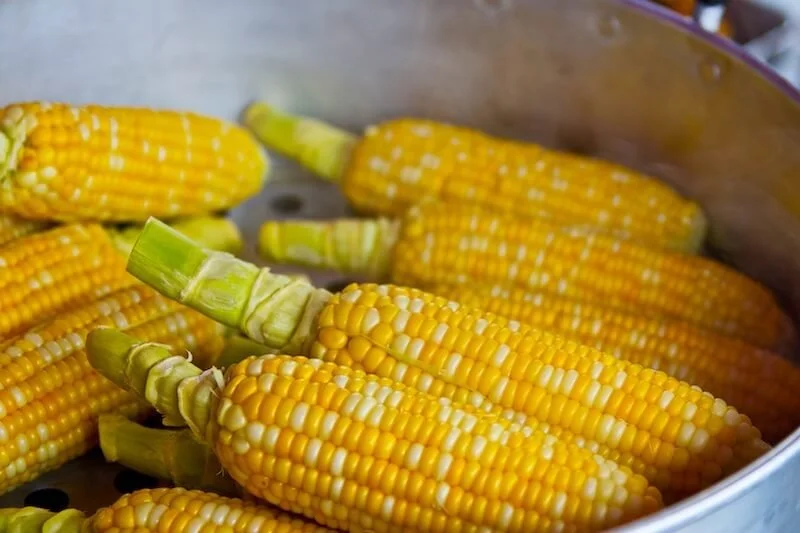
Yeast thrives in warm moist environments. Your dog's paws - with their little folds of skin between the toes - are perfect for it. This is what causes the brown rust coloured staining and that distinctive corn chip smell.
But the paws are not where the problem started. The source is almost always the gut.
Ultra processed dry food is high in carbohydrates. Carbs break down into sugars. Sugars feed yeast. Add the chemical preservatives that give kibble a shelf life of one to three years and the gut bacteria don't stand a chance. Yeast takes over and spreads from the gut outward.
When the gut microbiome is disrupted it can compromise the gut lining, allowing toxins to leak into the bloodstream. The immune system responds, chronic inflammation follows, and that inflammation shows up in the skin, the ears, and the paws.
Studies confirm that raw fed and kibble fed dogs have measurably different gut microbiomes. Environmental allergens can make things worse, but in most chronic cases the gut is where things went wrong first.
What you feed your dog literally changes the bacteria living in their gut. With 70% of the immune system residing in the gut, what happens in the gut doesn't stay in the gut.
Paw licking symptoms are downstream of the gut. The food your dog eats and the environment they live in are the two biggest determinants of their health. Fix the gut, and the paws will follow!
How To Stop Your Dog Licking Their Paws
The good news is there is plenty you can do. None of this is a quick fix, but it is a permanent one. Here's where to start.
1. Improve the diet
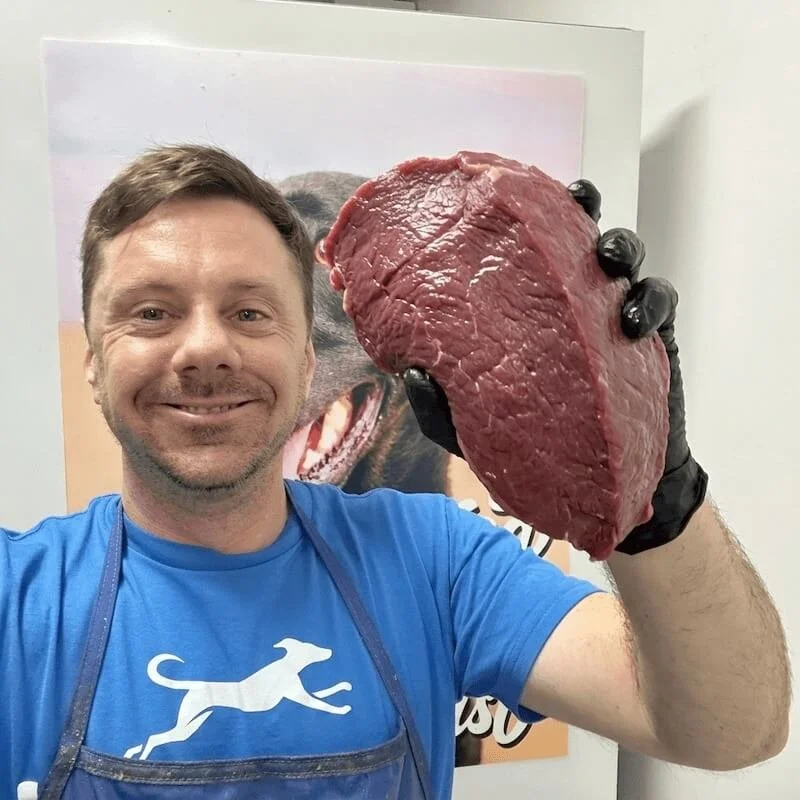
Switch to a low carbohydrate whole food diet. This starves yeast, restores gut flora, and reduces systemic inflammation. It's the dietary opposite of what yeast needs to thrive. Keep in mind that all kibble - even the expensive ones - are at least 50% carbs. So getting your dog off kibble is the most important step you can make to help relieve them.
2. Do an elimination diet if you suspect food allergy
Switch to a single hypoallergenic protein your dog has never eaten before and stick to it exclusively until things are under control. For many dogs this takes several months (sometimes longer). No treats, no table scraps, or anything else that could be a trigger.
Good novel proteins to try are buffalo, venison and fish. For dogs with multiple sensitivities, a buffalo and fish diet is a great place to start as both are considered low allergen proteins.
Once symptoms have settled you can start carefully testing other proteins one at a time. But getting things under control first is far more important than variety. Don't rush it.
Once you know what your dog can and can't eat, rotating between tolerated proteins is a great way to build long term gut resilience and prevent new intolerances from developing.
Note: if your vet has prescribed antifungal medication, this can provide some relief in the short term. Just remember that antifungals treat the surface. The yeast will just come back unless you fix the diet as this is what is feeding the yeast.
3. Support the gut
Start with fermented whole foods. These deliver live beneficial bacteria alongside the nutrients and enzymes that help them thrive, making them more effective than supplements alone. This is why we include our fermented Nelly Belly in every pack of Whoa Nelly.
A good dog specific probiotic supplement is also worth adding, particularly after antibiotics or during a flare. The key thing is to find a product that lists the full strain names and guarantees CFU count at time of expiration rather than manufacture.
The strains with the best canine research behind them are:
Bifidobacterium animalis AHC7
Lactobacillus acidophilus
Lactobacillus reuteri
Lactobacillus rhamnosus
Enterococcus faecium SF68
Pediococcus acidilactici
Saccharomyces boulardii
4. Omega 3s for skin barrier integrity
A compromised skin barrier lets allergens in and makes everything worse. Whole food sources are preferable to isolated fish oil supplements. Fish oil oxidises quickly, can go rancid, and lacks the cofactors that aid absorption. Oily fish like sardines and mackerel fed as part of the diet are a much better option.
5. Manage the paws while you fix things
Wash your dog's paws with plain warm water after every walk to remove contact allergens. For active yeast, a diluted apple cider vinegar soak (50/50 with water) can help kill surface yeast between the toes. Never apply it to broken skin.
This is a management tool while the dietary changes take effect, not a fix on its own. The yeast will keep coming back until you address what's feeding it. Check between the toes for grass seeds after bush walks, especially here in SEQ.
When To See The Vet
Conventional medicine is excellent and has a very important place. Vets are not trained to fix problems that are diet related, which is likely the cause of this issue. But if you can't resolve this with food then there may be a deeper issue.
See your vet if:
Your dog is fixated on a single paw. Check for a grass seed, thorn, or injury and get it seen to.
There is broken skin, discharge, or hot swelling. This needs treatment.
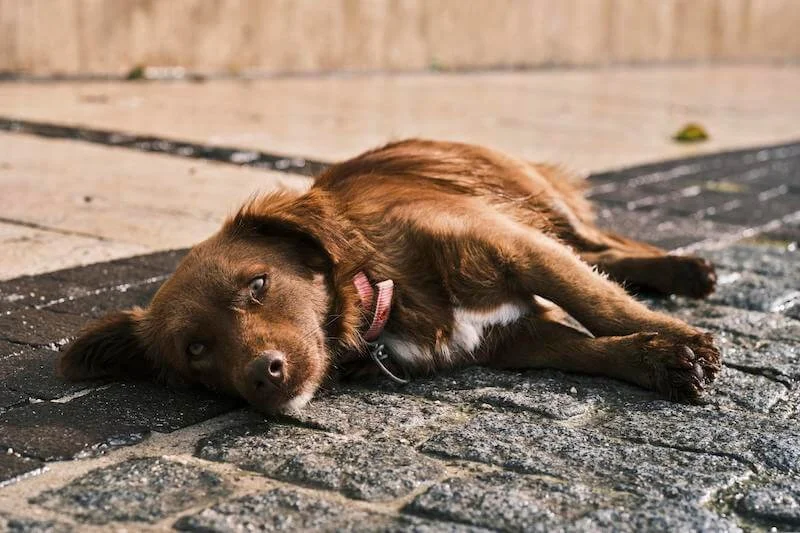
Your dog is limping, crying, or guarding their paw. That's pain, not allergy.
Symptoms are severe enough that your dog can't get comfortable. Short term medication while you address the root cause is completely reasonable.
You've made genuine dietary changes and seen no improvement after eight weeks. It's worth talking to a vet about allergy testing.
In most cases the fix is simpler than people think. Feed the right food, support the gut, and give it time. Your dog will tell you when it's working.
If you'd like to try a hypoallergenic diet for your dog, our Buffalo & Fish recipe is a great place to start. It's low allergen, high protein, and free from the common triggers that cause problems for sensitive dogs.
Frequently Asked Questions
Why does my dog lick their paws at night?
Paw licking often gets worse at night because your dog is relaxed and has nothing to distract them. It doesn't mean the cause is different. Yeast, allergies, and gut driven inflammation cause itching and irritation around the clock. Night time is just when it's most noticeable.
What does it mean when my dog's paws smell like corn chips?
That distinctive corn chip smell is caused by bacteria and yeast colonising the skin between the toes - specifically Pseudomonas and Proteus bacteria alongside a yeast overgrowth. If your dog's paws smell, yeast is almost certainly part of the problem.
How do I know if my dog's paw licking is caused by yeast?
Look for brown or rust-coloured staining between the toes, the corn chip smell, redness or inflammation in the skin folds of the paw, and licking that affects all four feet rather than one. These are the classic signs of yeast. Ear infections at the same time as paw licking is another strong indicator.
Can diet really fix paw licking?
In most cases, yes. The majority of chronic paw licking in dogs is driven by yeast overgrowth, food allergy, or gut dysbiosis - all of which are directly linked to diet. Switching to a low carbohydrate whole food diet removes the fuel that drives yeast and gives the gut a chance to recover. It takes time, but it works.
How long does an elimination diet take for dogs?
A minimum of eight weeks, and often several months for dogs with chronic issues. The key is to be strict - no treats, no table scraps, nothing outside the single novel protein you've chosen. It can take some time so please be patient.
What is the best food for dogs that lick their paws?
A low carbohydrate whole food diet based on a novel, hypoallergenic protein. For dogs with sensitivities, buffalo and fish are excellent starting points as both are considered low-allergen proteins. Avoid chicken, beef, dairy, and wheat until you've established what your dog can tolerate. Raw food is ideal as it supports gut health, reduces the carb load that feeds yeast, and avoids the chemical preservatives that disrupt the gut microbiome.
Should I use Apoquel or Cytopoint for my dog's paw licking?
These medications can provide real relief, especially for dogs in serious discomfort. There is nothing wrong with using them short term. The problem is using them as a long term solution without addressing the underlying cause. Most dogs do not need ongoing medication to stay comfortable. Improving their diet really is the best way to fix the problem.