
Pancreatitis In Dogs: A Canine Nutritionist's Guide To Prevention
Pancreatitis is an increasingly common phenomenon in dogs. It's a painful and potentially life threatening condition, and also in most cases is completely preventable.
But most dog owners only think about it after their dog is already sick.
As a canine nutritionist, I've spoken with a lot of pet owners who are working through a pancreatitis episode with their dog. Most have no idea what the pancreas even does! Let alone that diet could be creating the problem. Most people just have some vague idea of not feeding too much fat to their dog.
Which is not correct!
So this article is about understanding pancreatitis properly: what it is, why it's so common, and what you can actually do about it. Because a good diet is the key component to preventing and managing this condition in dogs.
In This Article
What Is The Pancreas?
Before we jump in it might be helpful to understand what the pancreas is. It's a small but hardworking gland that sits tucked behind the stomach. It has two distinct jobs, and both are critical to your dog's health.
The first is endocrine function. This is the pancreas acting as a hormone factory, producing insulin and glucagon - the hormones responsible for regulating blood sugar. When your dog eats food the pancreas releases insulin to move glucose from the blood into the cells where it can be used for energy. Without this blood sugar spirals out of control, which is exactly what happens in diabetic dogs.
The second is exocrine function, which is especially relevant to pancreatitis. The exocrine pancreas produces digestive enzymes:
lipase to break down fat
amylase to break down carbohydrates
protease to break down protein
These enzymes are manufactured in an inactive form then sent through the pancreatic duct to the small intestine where they activate and get to work digesting food.
Where they activate is the crucial part here. The enzymes are designed to turn on in the small intestine, not inside the pancreas itself. When that process goes wrong things get serious fast. We'll come back to why shortly.
In a healthy dog this system runs quietly in the background with no problems. Most people never give the pancreas a second thought - not until it starts causing problems anyway!

What Is Pancreatitis?
Pancreatitis simply means inflammation of the pancreas. But what's actually happening inside the body is more dramatic than simple inflammation suggests.
In a dog with pancreatitis the digestive enzymes activate too early, actually inside the pancreas itself instead of in the gut. So instead of digesting food they start digesting the pancreas.
This is called autodigestion and it's as bad as it sounds 😫
Acute pancreatitis comes on suddenly and can range from mild to life threatening. A dog with acute pancreatitis is usually obviously unwell: vomiting, hunched posture, not wanting to eat. In severe cases it can cause organ failure and requires urgent veterinary care.
Chronic pancreatitis is the more insidious version. It develops slowly over time with repeated low grade inflammation that gradually damages the pancreas. The symptoms are often subtle and easy to miss: a bit of intermittent vomiting here, a sensitive stomach there. Many dogs live with chronic pancreatitis for months or years before it's properly identified.
Both forms are serious but chronic pancreatitis is particularly common in dogs eating a poor diet over the long term.
Which unfortunately, is most dogs.
Some breeds are also genetically predisposed. Miniature Schnauzers are the standout as they have a well documented tendency toward elevated blood lipids which puts them at significantly higher risk. Cocker Spaniels and some terrier breeds are also more susceptible. If you have one of these breeds it's worth being proactive about diet even before any symptoms appear.

Symptoms & When To See A Vet
Pancreatitis can look very different depending on whether it's acute or chronic so it's worth knowing what to look for in both cases.
Acute pancreatitis is hard to miss. Symptoms include:
Repeated vomiting
Hunched or "prayer position" posture (front legs stretched forward, rear end up)
Obvious abdominal pain
Loss of appetite
Lethargy
Fever
Diarrhoea
If your dog is showing several of these symptoms together, get to a vet the same day. Acute pancreatitis can escalate quickly and early treatment makes a big difference to outcomes.
Chronic pancreatitis is trickier because the signs are easy to write off as a sensitive stomach or a bad day. Things to watch for include intermittent vomiting, loose stools, reluctance to eat, weight loss and low energy. If these symptoms are recurring it's worth pushing for a proper diagnosis rather than just managing the symptoms.
Diagnosis is typically done through a blood test measuring canine pancreatic lipase (cPL) along with a physical exam. Ultrasound can also be useful for confirming inflammation and ruling out other causes.
One important note: this article is about diet and long term management but pancreatitis (especially acute pancreatitis) always warrants a vet visit first. Get a confirmed diagnosis before making any significant changes to your dog's diet.
Why Do So Many Dogs Get Pancreatitis?
Dogs suffer from pancreatitis at a rate that is 25 to 50 times higher than humans. That's not a typo. And it's not bad luck. It's a pattern that points directly at what we're feeding our dogs.
The conventionally cited reason is fat. When a dog presents with pancreatitis the vet will often say there's too much fat in the diet and send you home with a prescription low fat kibble. The problem is that the evidence doesn't really support this theory.
It seems much more likely that chronic inflammation is driven by excessive carbohydrates.
Here's how it works.
When a dog eats a high carbohydrate diet (ie. kibble) their body prioritises carbs as the primary fuel source. The more carbs they consume the more they suppress fatty acid oxidation, meaning they burn less fat for energy. As a result the liver converts excess carbohydrates into fat which builds up in the blood. This is a well documented phenomenon called carbohydrate induced hypertriglyceridemia - and it means that high blood fat levels are actually driven by a high carb diet not a high fat diet.
Elevated blood triglycerides are one of the main drivers of pancreatitis. The pancreas slowly becomes overwhelmed. It exists in a state of chronic low grade inflammation. Then one day something tips it over the edge from a fatty table scrap, a period of stress, or a course of steroids.
As the excellent Dr Conor Brady says, “it's not the final piece of straw but the heavy load already in place.”
Studies back this up.
Research comparing dry fed and raw fed dogs found that at rest dogs eating kibble had inflammation markers in their blood ten times higher than raw fed dogs. In a post mortem study of 73 dogs 64% of pancreata showed evidence of chronic pancreatitis - and in dogs that had not necessarily shown obvious symptoms.
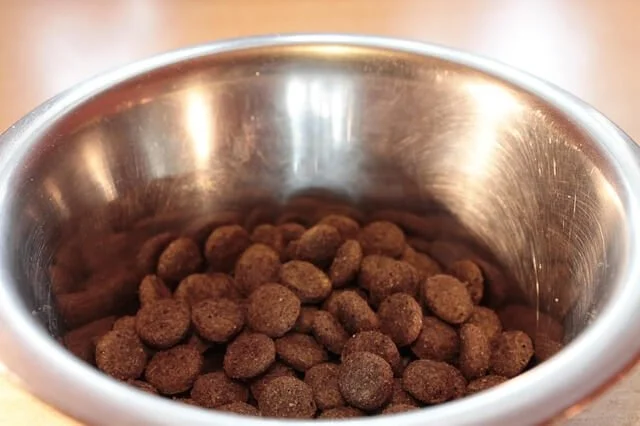
Standard dry dog food generally sits between 50-60% carbohydrates and dogs have zero dietary requirement for carbohydrate. Feeding a diet that is primarily carbohydrate to an animal with no requirement for carbohydrates is exactly the kind of chronic stressor that sets up pancreatic disease over time.
There are other contributing factors worth knowing about. Obesity significantly worsens outcomes and increases the frequency of acute episodes. Certain medications - particularly corticosteroids, some antibiotics and diuretics - can trigger pancreatitis as a side effect.
Chronic stress has been shown to elevate pro inflammatory markers in dogs. And a leaky gut or chronically disrupted microbiome can spread inflammation to the pancreas over time.

Treating Pancreatitis
If your dog is showing signs of acute pancreatitis get to a vet immediately.
This is not a wait-and-see situation. Your vet will administer IV fluids, anti nausea medication and pain relief. In severe cases hospitalisation is required. Medication absolutely has a role here.
But remember that medication can't fix the underlying problem.
For a long time the standard advice was to starve a dog with pancreatitis for several days to rest the organ completely. That thinking has shifted. Current evidence suggests getting small highly digestible meals in as soon as vomiting stops, keeping the gut lining healthy and reducing the risk of further complications. Extended starvation likely does more harm than good.
Food As Medicine
Once the acute phase has passed food becomes the most powerful tool available. The goals are simple: reduce inflammation, eliminate the carbohydrate load driving elevated blood triglycerides and give the pancreas food it can actually process.
It's worth being clear on one thing here. Carbohydrates drive the underlying disease - but an already inflamed pancreas struggles to produce enough lipase to handle dietary fat in the short term. So while fat didn't cause the problem, a damaged pancreas still can't process it well during recovery. This is why we recommend lean proteins initially - not because fat is the long term enemy but because the organ needs time to heal before it can handle it again.
In practical terms this means:
Remove ultra processed food entirely. Kibble is high carbohydrate and heat processed. It's the opposite of what a recovering pancreas needs.
Feed small frequent meals. Smaller portions spread across the day reduce the digestive demand on the pancreas.
Prioritise lean proteins initially. Chicken, turkey, buffalo, venison and kangaroo are highly digestible and low in fat, and a good starting points during recovery. A common piece of advice is chicken and rice. The chicken is fine but skip the rice entirely. Carbohydrates are the last thing a stressed pancreas needs!
Keep carbohydrates as close to zero as possible. No rice, potato or sweet potato - these drive the blood triglyceride elevation that stresses the pancreas in the first place.
Add bone broth. Easily digestible, gut supportive and anti inflammatory.
Add digestive enzymes. A quality blend of lipase, protease and amylase takes pressure off the pancreas by supplementing what it's struggling to produce. Particularly valuable during recovery.
Support the gut with probiotics. A disrupted microbiome contributes to systemic inflammation. A quality probiotic during and after the acute phase helps reduce the overall inflammatory load.
Add omega-3s. EPA and DHA have well documented anti inflammatory effects. Fresh oily fish like sardines are ideal once the dog is past the acute phase.
The pancreas is a digestive organ. What you feed your dog directly determines how hard it has to work. Medication manages the crisis. Food determines whether the crisis comes back.
As a canine nutritionist I can advise on diet and long term management but pancreatitis always requires a proper veterinary diagnosis - especially in an acute episode. Please work with your vet on treatment and use this article as a complement to that care not a replacement for it.
Prescription Kibble vs Raw Diets
When a dog is diagnosed with pancreatitis the standard veterinary recommendation is a prescription low fat dry food. Typically this is Hills i/d, Royal Canin Gastrointestinal Low Fat or Purina EN. Most owners trust them completely because the vet reccomends them.
So let's look at what's in them:
Hills i/d Low Fat is mostly brewers rice, whole grain wheat and whole grain corn.
Royal Canin Gastrointestinal Low Fat is mostly brewers rice, rice and corn.
Unsurprisingly, both sit at around 50-55% carbohydrates (as fed).
These foods are low in fat. This is true. But they're formulated using refined grains and starches which are the primary driver of carbohydrate induced hypertriglyceridemia.
The very thing driving the condition (ie. carbs 🌽) is the primary component in the prescription formula. It's actually insane 🤬
They're also ultra processed at extreme heat which destroys the natural enzymes that help reduce pancreatic workload. Synthetic vitamins are added back in to meet basic standards. The pancreas then has to compensate for what's missing which is the opposite of what a recovering organ needs.
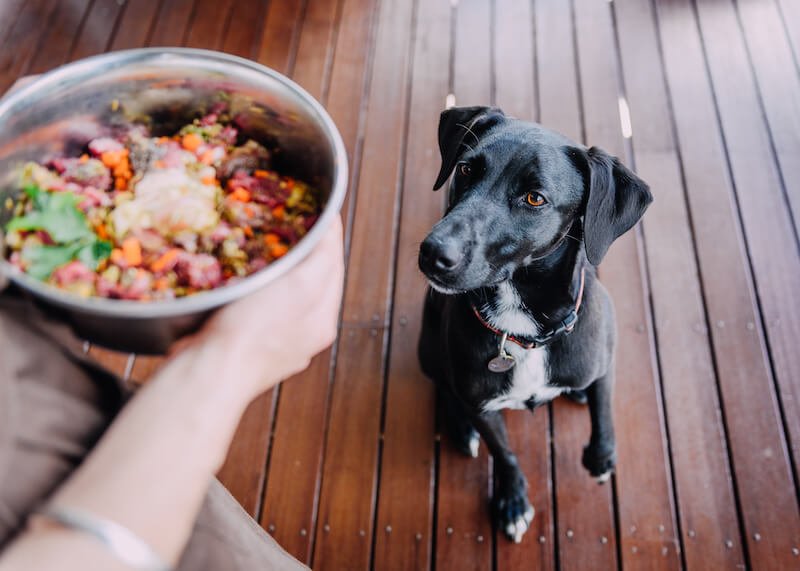
A well formulated raw diet takes a completely different approach. Carbohydrates are removed almost entirely. Protein levels are high and naturally easily digestible. Nutrients come from food not a synthetic supplement. And the diet retains its natural enzymes so the pancreas isn't working overtime just to digest a meal.
As a comparison, while prescription kibble is around 50-55% carbohydrates, Whoa Nelly! is around 2-3%. And unlike prescription kibble Whoa Nelly! is 100% human grade and organic. Real food made from real ingredients, carefully formulated and tested, and not a processed product designed to meet minimum standards on paper.
For a dog with an inflamed pancreas that difference is enormous.
Keep in mind that not all raw food is equal. Ingredient quality and formulation are everything. During recovery you want something genuinely lean and properly formulated. Some raw diets can be high in fat and bone with minimal muscle meat. Always ask the manufacturer exactly what's in their food and their macros. If they can't tell you that's a big red flag.
Management & Recovery
Whether your dog has just had an acute episode or you're managing chronic pancreatitis long term the dietary principles are the same, and very simple.
Remove the cause
Support the organ
Feed real food
During Recovery
Keep meals small and frequent. Three to four times a day is better than one or two larger meals. Start with the leanest proteins available: chicken breast, turkey, kangaroo and venison are all good options. These are easy to digest and low in fat while the pancreas is still settling down. Don't worry about feeding a properly balanced diet at this point, that will come in time.
Bone broth is a great addition at this stage. It's gentle on the gut, anti inflammatory and highly digestible. Digestive enzymes are a great idea, sprinkled over food they take pressure off the pancreas. A quality probiotic helps rebuild the gut microbiome which will be disrupted after an acute episode or a course of medication.
Avoid anything processed, anything containing carbs and anything high in fat until your dog has fully stabilised.
Long Term Management
Once your dog has recovered the goal is to keep the pancreas as unstressed as possible. This means staying on a low carbohydrate whole food diet permanently. Not just until the symptoms go away.
Zero grains and starches. No rice, potato, sweet potato, corn or legumes. These are not bland safe foods for a pancreatitis dog - they are fuel for the problem.
Low to moderate fat from quality sources. Fat itself is not the enemy, but keep it on the lower side and from whole food sources. As the dog stabilises you can gradually reintroduce fattier proteins like beef and lamb. Monitor carefully and pull back if symptoms return.
Maintain lean body condition. Obesity significantly worsens pancreatitis outcomes. A lean dog is a healthy dog (we've written about this at length before).
Add omega-3s long term. Fresh sardines in spring water a couple of times a week provide EPA and DHA which help manage inflammation ongoing.
If you are feeding Whoa Nelly! start with our Kangaroo & Chicken as this is the lowest in fat. If this is well tolerated you can gradually introduce Buffalo & Fish as it is also reasonably low in fat. Just be gentle when making any dietary changes and keep a close eye on your dog to make sure they adapt well.
Transitioning To Raw
If your dog has been on kibble or prescription food and you want to transition to raw be sure to do it gradually. A pancreas that has been managing a high carb diet for years needs time to adapt to a different fuel source.
Watch for soft stools, vomiting or lethargy during the transition and slow down if needed. A smooth transition is better than a fast one.
The good news is that most dogs with pancreatitis do recover well on a properly formulated raw diet. Enzyme levels normalise, flare ups reduce and in many cases stop altogether. The pancreas is a resilient organ when you stop feeding it things it was never designed to process.
At this point we have lots of dogs with pancreatitis thriving on our diet which is great news for them and their humans! But keep in mind that all dogs are different and it really depends on the severity of their condition. If you have any doubts get in touch with me before making any dietary changes.
How To Prevent Pancreatitis In Dogs
The best time to think about pancreatitis is before your dog gets it. And for most dogs it's largely preventable. Here are the top 5 things you can do to stop pancreatitis from developing in your dog.
Feed a low carbohydrate whole food diet. This is the single most impactful thing you can do. A dog eating real food with minimal carbohydrates simply isn't building the chronic inflammatory environment that leads to pancreatic disease.
Keep your dog lean. Obesity is a significant risk factor for pancreatitis. Overweight dogs develop it more frequently and have worse outcomes when they do.
Be breed aware. Miniature Schnauzers, Cocker Spaniels and some terrier breeds are genetically predisposed. If you have one of these don't wait for symptoms - get onto a low carb whole food diet early and stay there.
Be mindful of medications. Corticosteroids in particular can trigger pancreatitis as a side effect. It’s worth a conversation with your vet if your dog is on long term medication.
Support the gut year round. A healthy microbiome reduces systemic inflammation. A quality probiotic and a fresh food diet go a long way to maintaining a healthy gut.
Pancreatitis is painful, expensive and distressing. In most cases it is the predictable result of feeding a high carbohydrate diet over many years. Cut the carbs and processed food, and things tend to get better.
Feeding real species appropriate food and keeping your dog lean are the best ways to have a healthy pancreas for life 🐾