Can You Feed Raw and Kibble Together? Here's what the science says.
- The internet says you can't mix raw and kibble. The science says otherwise.
- Kibble doesn't neutralise stomach acid. That's a myth.
- Raw fed dogs do run more acidic than kibble fed dogs, but it doesn't substantially affect digestion.
- The real problems with kibble are carbs, processing, and ingredient quality.
- Sardines and blueberries make a real difference to a kibble bowl.
- Some fresh food is always better than none.
Can you feed raw and kibble together? The internet mostly says no. Raw and kibble digest differently, so the pH is all wrong and you'll cause digestive problems.
But plenty of people do it every day. So which is it?
Our position is clear: raw is absolutely best! The science backs that up - and so do the results we see every day. But that's not reality for every dog owner, and we're not here to make anyone feel bad about it.
What we care about is that every dog is eating the best diet possible, whatever that looks like. So if you're mixing raw and kibble, here's what the science actually says!
In This Article

The Digestion Myth
We've all heard it: kibble and raw digest at different rates. Kibble raises the pH of your dog's stomach, and feeding them together means the raw won't digest properly.
It sounds plausible but isn’t supported by the research.
But before we dig into the science, it's worth being upfront about where a lot of it comes from. Pet nutrition research is largely funded by the pet food industry. These are billion dollar kibble companies with a clear commercial interest in what conclusions get drawn. That doesn't make every study worthless - but you should know who's paying for it before taking it at face value.
A proper raw vs kibble pH comparison simply hasn't been done. (Make of that what you will!)
Here's what the available evidence shows.
The pH claim isn't supported. Studies show that a dog's stomach pH drops (ie. becomes more acidic) when they eat, including when fed kibble. The idea that kibble pushes the stomach toward a neutral pH isn't what the studies show. A dog's digestive system maintains a highly acidic environment regardless of what's in the bowl. It’s actually kind of surprising.
That said the digestion rate claim has a kernel of truth. Different foods do move through the gut at different speeds. But there's no evidence this causes harm in a healthy dog.
However digestive upset when you first start mixing foods is real. The evidence suggests it's from the sudden dietary change, not the combination itself. Introduce anything new gradually and most dogs handle it fine.
What's The Problem With Kibble?
The digestion debate isn’t really the issue. The more important question is what kibble is doing to your dog independently of whatever else you're feeding.
The problem is the combination of three factors.
First, the high carbohydrate load. Most kibble is 50-60% carbohydrates, and dogs have zero biological requirement for carbohydrate. Feeding a primarily carb based diet to an animal that doesn't need carbs creates a chronic metabolic stressor that compounds over time. The pattern of conditions we see in kibble fed dogs - obesity, diabetes, pancreatitis, chronic yeast issues - is consistent with what you'd expect from that kind of long term dietary mismatch.
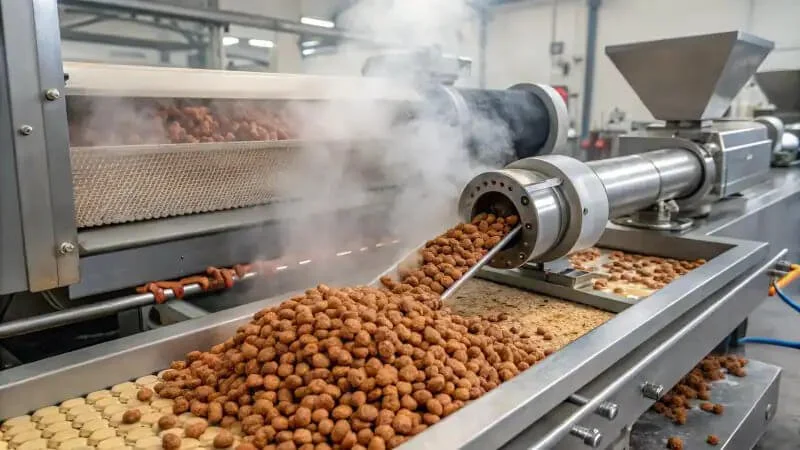
Second, the crazy processing. Kibble is manufactured at extreme heat under intense pressure. This denatures protein, destroys natural enzymes and degrades the nutritional integrity of the ingredients. Vitamins and minerals are added back in synthetically after the fact to meet regulatory minimums. What your dog is actually eating is a long way from the ingredients on the packet.
Third, ingredient quality. The base materials going into most kibble are what's left after human food production is done with them. Rendered meals, low grade grains, fillers. It's not food in any meaningful sense.
These three things work together. Lots of carbs create metabolic stress. The poor quality ingredients mean the body has less to work with. And the processing ensures most of what's there isn't even bioavailable. That's the real problem with kibble.
The Preservative Problem
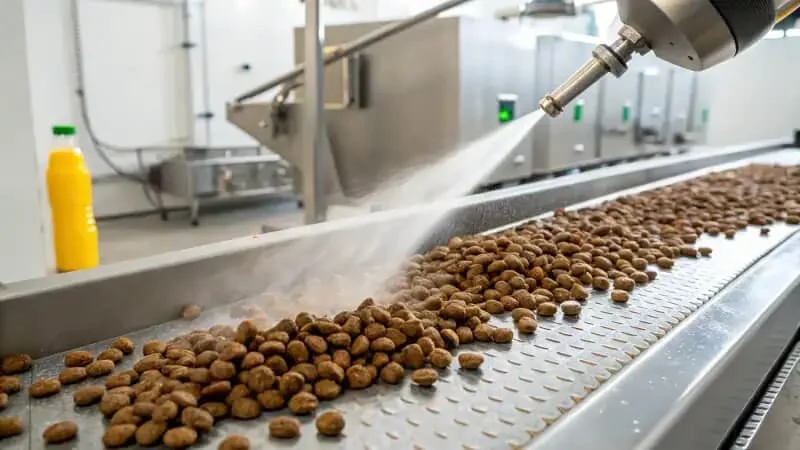
There's one more piece worth understanding. Kibble needs to survive on a shelf for one to three years. To do that it relies on chemical preservatives whose job is to kill microbial life and prevent oxidation.
That's awesome for shelf life. Not so great for the ecosystem of living microorganisms in your dog's gut.
Research comparing kibble fed and raw fed dogs shows measurable differences in gut flora diversity. Raw fed dogs consistently show richer, more varied microbiomes.
The exact mechanism isn't fully isolated.
The preservatives, carbs, lack enzymes and heat/pressure processing are all likely contributors. The science is still developing but the direction is obvious if you actually stop and think about it.

How To Feed Raw and Kibble Together
So: based on the evidence available, mixing raw and kibble is fine.
The digestion concerns don't hold up. The question worth asking is simply how do I get more quality raw into the bowl?
More balanced raw means a better health outcome. But budgets are real.
Even a small amount of quality raw moves the needle. Whether that's 20% of the diet, one raw meal a day, or whatever is actually achievable - it's worth doing. You don't have to go all in overnight. Just know the more quality food you can feed the better, and just do your best. No stress.
A few practical tips for making the most of a mixed diet:
Go slow with any changes. If your dog gets gassy when raw and kibble are mixed in the same bowl, try feeding them separately. Either way, the gut needs time to adjust - introduce anything new gradually.
Add omega-3s if kibble makes up more than half the diet. The fats in most kibble are degraded long before you open the bag. EPA and DHA will be minimal at best. Tinned sardines in spring water are cheap and easy - a few times a week makes a real difference.
Add antioxidants. Frozen blueberries are perfect. Easy, cheap, and most dogs love them.
These are practical ways to stretch your budget further while still supporting your dog's health. They're not a substitute for good food, but they do improve your dogs diet.
Making The Move To Raw
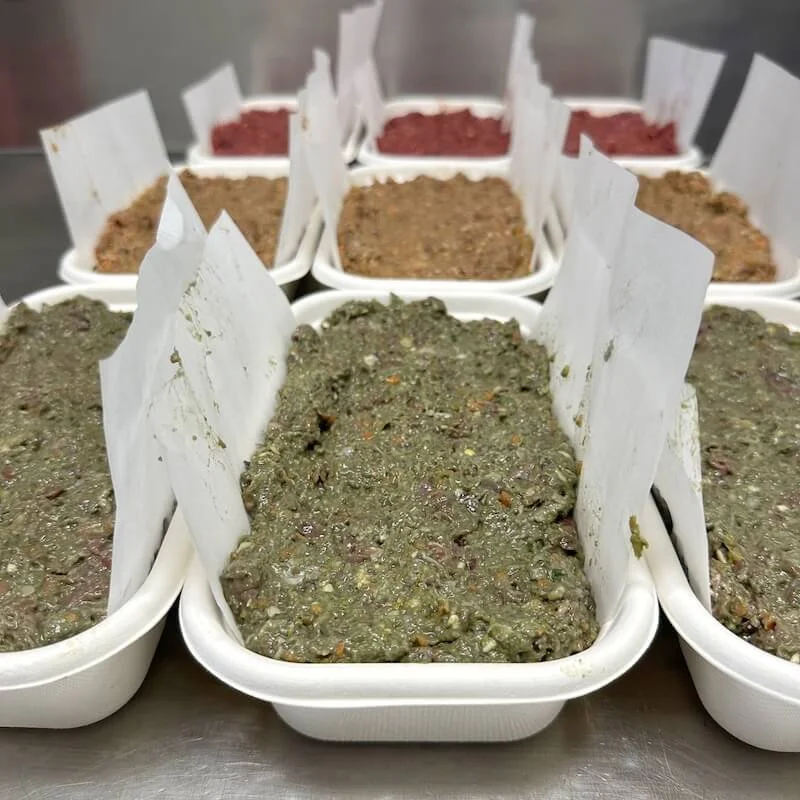
If you want to shift toward a fully raw diet you don't have to do it overnight. Increase the raw proportion gradually over a few weeks and let your dog's gut adjust.
Almost all of our customers tell us the changes they notice in their dog is quick. We hear every week about better digestion, smaller firmer stools, improved coat, more energy.
The goal is simple: get the best food possible into your dog, whatever that looks like for you. Every bit of quality food in the bowl makes a difference!